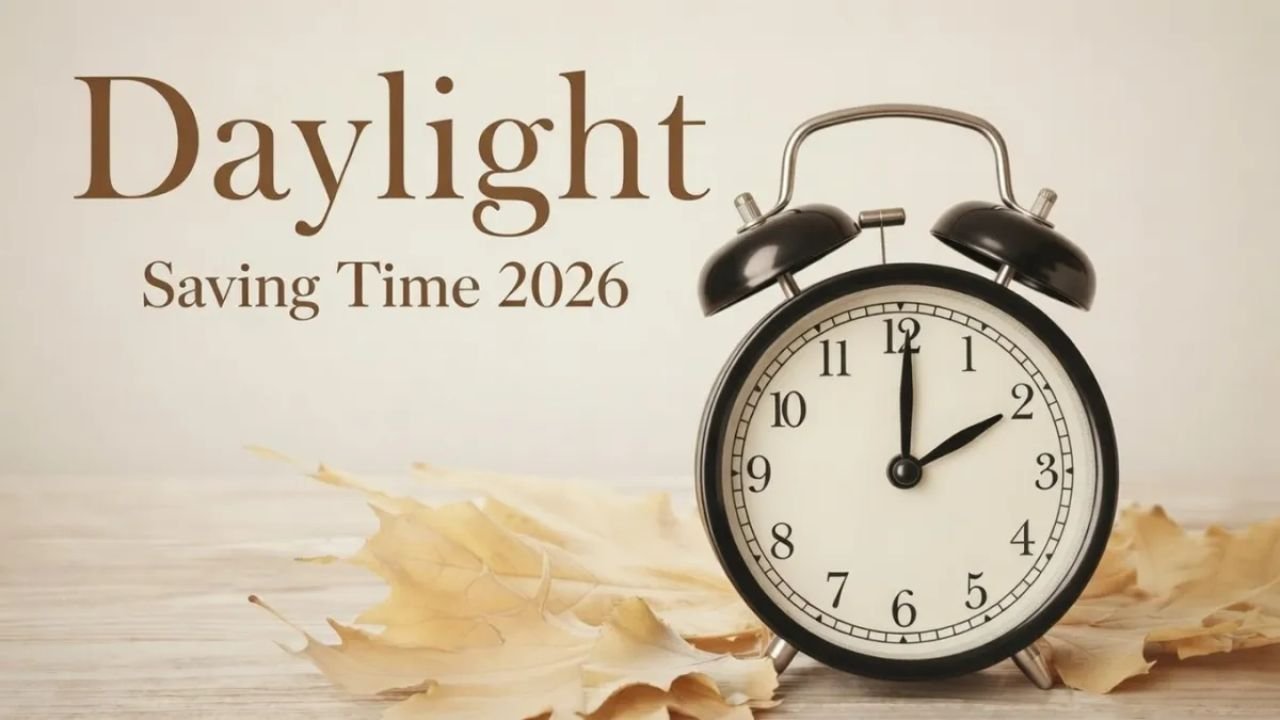
Every spring and fall, Americans adjust their clocks in a seasonal routine that has shaped daily life for over a century. In 2026, daylight saving time (DST) begins on Sunday, March 8, at 2 a.m., when clocks move forward by one hour. This change ushers in longer evenings and a gradual shift toward spring but also results in a temporary loss of sleep for millions of households. Understanding the schedule, practical effects, and preparation strategies is essential for managing work, travel, and daily routines.
Why DST Starts on March 8 in 2026
The timing of daylight saving time is governed by the Energy Policy Act of 2005, which established the current schedule: DST begins on the second Sunday in March and ends on the first Sunday in November. In 2026, March 1 falls on a Sunday, placing the second Sunday—and thus the spring transition—on March 8, the earliest possible date under the federal formula.

Similarly, the return to standard time occurs on Sunday, November 1, which is also the earliest allowable date for the fall adjustment. These dates reflect calendar alignment rather than a change in policy. Practically, Americans will experience extended evening daylight sooner in March and earlier darker evenings in November, impacting everything from outdoor activities to business operations.
Sleep Disruption and Health Considerations
The shift to daylight saving time comes with an immediate trade-off: one hour of lost sleep. Even this small adjustment can temporarily affect concentration, mood, and productivity. Circadian rhythm studies suggest that minor changes in sleep timing can influence the body’s internal clock more than many realize.
Families with school-age children may benefit from gradually adjusting bedtimes in the days leading up to March 8. Shift workers, early commuters, and those with strict schedules often experience the effects more acutely in the first week following the transition. Historical data indicate that most individuals adapt within several days, though awareness and planning can ease the adjustment.
Economic and Energy Use Implications

Daylight saving time was originally promoted to make better use of natural daylight and potentially reduce energy consumption. Modern studies show that the effect on electricity usage varies by region and climate. Warmer southern states may see increased air-conditioning demand with longer evenings, while northern regions may experience modest lighting savings.
The early March start in 2026 can also benefit businesses such as retailers and outdoor recreation services. Extended evening daylight encourages later activity, potentially boosting foot traffic and commerce. However, economists note that overall gains are generally incremental, dependent on consumer behavior rather than the clock change alone.
States and Territories That Do Not Observe DST
Not all U.S. regions follow daylight saving time. Hawaii and most of Arizona remain on standard time year-round, as allowed by federal law. U.S. territories, including Puerto Rico, Guam, and the U.S. Virgin Islands, also do not observe DST.

This distinction can create temporary scheduling challenges, particularly for interstate business, virtual meetings, and travel. For example, a company with offices in Phoenix and New York must adjust meeting times during the transition. Confirming local time zone differences is recommended when coordinating cross-state events.
Ongoing Debate Over Permanent Daylight Saving Time
Legislative discussions about making DST permanent continue in Congress. Proposals highlight potential benefits of consistent evening daylight for commerce and outdoor activity. Critics, however, raise concerns about darker winter mornings affecting safety, sleep, and health.
Any permanent change would require federal approval and state-level implementation, which has not yet occurred. For 2026, Americans will follow the established March-to-November schedule. Awareness of potential future changes is useful for long-term planning, but the current dates remain in effect.
Practical Tips to Prepare for the March Change
Most digital devices update automatically, but manual clocks and appliances still require adjustment. The clock-forward transition also serves as a useful reminder to check smoke alarm batteries and perform other seasonal household maintenance.
For commuters, verifying updated public transport schedules and workplace timings can prevent late arrivals on the first day following the change. Families may consider gradually shifting sleep schedules in the week leading up to March 8 to reduce disruption. Small preparatory steps can make the adjustment smoother and minimize first-week fatigue.
Key Takeaways
- Start of DST 2026: Sunday, March 8, at 2 a.m.
- End of DST 2026: Sunday, November 1, at 2 a.m.
- Impact: One hour of lost sleep, temporary adjustment period for mood and productivity
- Regional Exceptions: Hawaii, most of Arizona, and U.S. territories remain on standard time
- Planning Tips: Adjust schedules gradually, verify digital and manual clocks, check safety devices
By understanding the 2026 daylight saving schedule and its practical implications, Americans can better manage daily routines, travel, and work commitments while maximizing the benefits of extended evening daylight.
Disclaimer: This article provides general information on daylight saving time in the United States for 2026. Timing, observance, and legislative developments are subject to federal and state regulations. Readers should verify local practices and official announcements for accurate guidance.