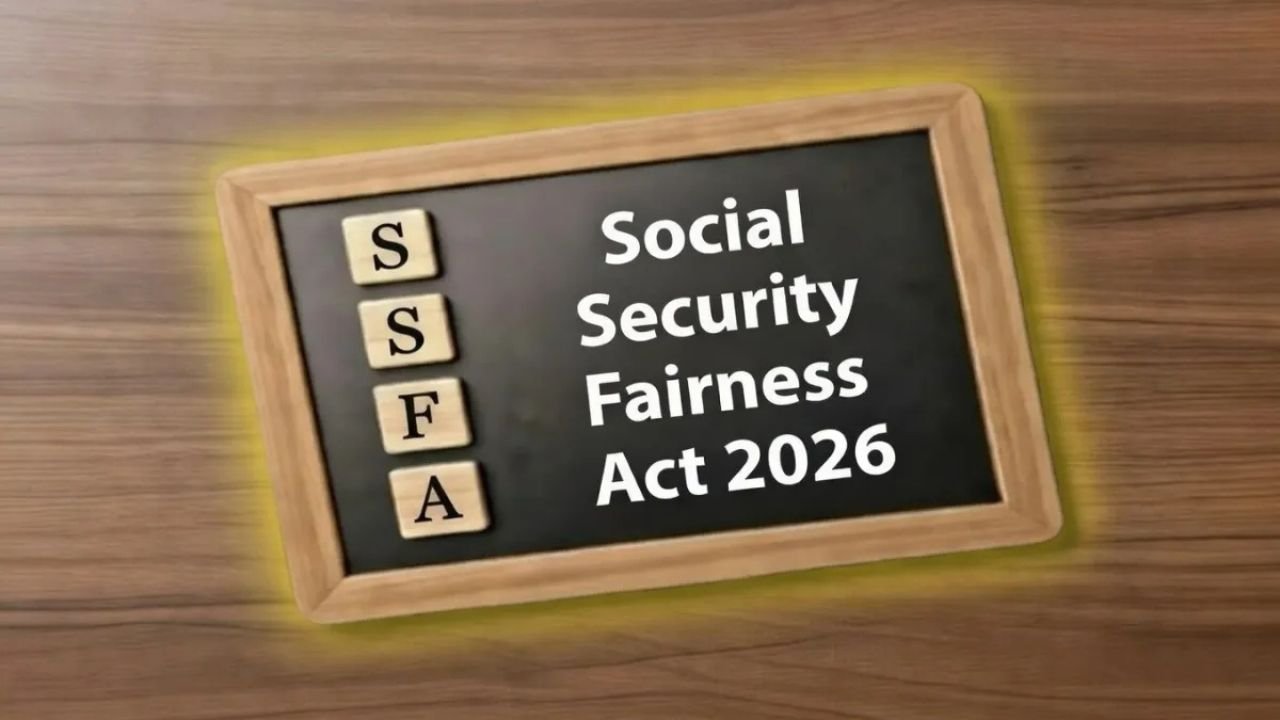
The Social Security Fairness Act, signed into law in early 2025, represents a major shift in retirement policy for millions of Americans. The legislation eliminates two long-debated provisions—the Windfall Elimination Provision (WEP) and the Government Pension Offset (GPO)—which had historically reduced benefits for certain public servants and retirees with pensions from non-Social Security-covered jobs. For teachers, firefighters, police officers, and some federal employees, these changes can significantly affect monthly income and long-term retirement planning.
Understanding WEP and GPO
The Windfall Elimination Provision adjusted Social Security retirement benefits for individuals who also received pensions from non-covered employment, often reducing the calculated benefit. Meanwhile, the Government Pension Offset reduced spousal or survivor benefits by a portion of the non-covered pension.

Critics long argued that these rules unfairly penalized public employees who contributed to both Social Security and a separate pension system. While supporters of the old framework cited the need to prevent “double benefits,” the provisions were widely viewed as overly complex and disproportionately affecting middle-income retirees. The repeal under the Social Security Fairness Act treats public pension recipients more consistently with those who paid Social Security taxes throughout their careers.
Who May See Higher Social Security Payments
The law primarily impacts public employees in states where certain government positions were not covered by Social Security. This includes many teachers, law enforcement officers, firefighters, and federal employees under the Civil Service Retirement System (CSRS). Some individuals with foreign pensions linked to international systems may also benefit.
Not all public workers will see changes. Approximately 72% of state and local employees already contribute to Social Security and were not subject to WEP or GPO. Eligibility depends on whether a retiree’s pension originated from non-covered employment. Reviewing Social Security statements and pension documentation is essential to determine potential impact.
How Much Monthly Income Could Change

Benefit increases vary widely based on prior reductions. Some retirees may see modest adjustments, while others could experience increases exceeding $1,000 per month. Retroactive payments are effective from January 2024, meaning eligible individuals may receive lump sums covering previously reduced benefits.
For example, a retired teacher who lost most of her spousal benefit due to GPO may now qualify for the full or partial amount. Retirement analysts note that while the repeal meaningfully reshapes income for many households, outcomes differ depending on work history, pension size, and benefit type.
Payment Rollout and Administrative Timeline
The Social Security Administration (SSA) began implementing benefit adjustments in February 2025. By July 2025, over 3.1 million payments totaling roughly $17 billion had been processed. Many beneficiaries received one-time retroactive deposits, followed by higher monthly payments starting in spring 2025.

Affected individuals typically receive mailed notices explaining changes. Some may receive separate communications—one confirming the repeal of WEP or GPO and another detailing updated monthly amounts. Most adjustments are applied automatically, while pending applications continue to be processed on a rolling basis.
Filing Rules and Retroactive Limits
Individuals who previously avoided applying for Social Security due to WEP or GPO may now consider filing. Retroactive benefits are generally limited: up to six months for retirement or survivor benefits and up to 12 months for disability benefits, subject to eligibility and timing rules. Those who postponed applications due to reduced spousal benefits should act promptly to maximize retroactive claims.
Verification of eligibility is recommended through an official SSA account or by contacting SSA directly. Pension records may still be required for periods prior to 2024, when the old rules applied.
Medicare Premiums and Net Income Considerations
Higher Social Security benefits may affect Medicare premium deductions. Some adjustments occur automatically, but recipients are advised to continue paying premiums until formal notification is received. Additionally, increased gross benefits could influence taxable income levels for certain households. Consulting a financial planner can help clarify the impact on overall retirement income and tax planning.
Protecting Against Scams
Significant benefit adjustments can attract fraudulent schemes. Officials stress that no fees are required to process changes under the Social Security Fairness Act. Requests for upfront payment or sensitive banking information from unofficial sources should be treated with caution.
Beneficiaries should verify changes through the official Social Security website or recognized customer service channels and keep copies of mailed notices and direct deposit confirmations. This documentation can help resolve discrepancies if questions arise later.
Key Takeaways
- WEP and GPO repeal effective: January 2024 onward
- Affected beneficiaries: Public employees with non-covered pensions, including teachers, firefighters, police, and certain federal workers
- Potential benefit increase: Varies widely; some may gain $1,000+ per month
- Retroactive payments: Eligible individuals may receive lump sums for past underpayments
- Verification: Use official SSA accounts or customer service channels
- Tax and Medicare considerations: Net income may vary; professional advice recommended
The Social Security Fairness Act 2026 brings long-awaited relief for millions of public servants, simplifying benefit calculations and boosting retirement security. Understanding eligibility, retroactive claims, and administrative procedures ensures beneficiaries can take full advantage of the reforms.
Disclaimer: This article provides general information regarding the Social Security Fairness Act and its implementation. Benefit increases, retroactive payments, and eligibility are subject to federal guidelines and individual circumstances. Readers should consult official Social Security Administration communications or a qualified financial professional for personalized advice.